Urban transport has actually always been an obstacle. Between expanding populations, minimal infrastructure, and the climbing demand for comfort, cities are continuously looking for methods to boost exactly how individuals and vehicles move. Get in artificial intelligence. When viewed as a distant idea booked for sci-fi, AI is now at the core of a few of one of the most amazing shifts in modern city life. And it's not almost self-driving vehicles-- it's regarding smarter systems, more secure roads, and better planning for everyone who shares the road.
From Reactive to Predictive: The New Urban Mindset
Cities utilized to operate reactively. A traffic control breakdowns? A person fixes it. Does a bus path end up being jammed? Organizers tweaked it months later on. However with AI, this timeline has turned. Sensors placed at intersections, transportation hubs, and busy roads feed real-time data right into AI-powered systems that can not only react instantly yet also forecast what's following.
Think of a system that recognizes when and where blockage will build before it also happens. That's no longer a dream. By assessing patterns with time, like pedestrian web traffic, weather, and event timetables, AI designs help cities prevent traffic jams rather than just responding to them.
Smarter Traffic Signals and Intersection Management
One of one of the most recognizable enhancements AI has given city transportation remains in the way traffic signal run. Conventional signal systems work with timers or easy sensors. Yet AI can evaluate real-time video, discover lorry volume, and adjust light cycles on the fly. This change decreases unneeded idling, improves gas performance, and-- maybe most significantly-- shortens commute times.
Some cities have begun to combine AI-powered video cameras with traffic signal to detect not just lorries, but pedestrians and bicyclists also. This allows signals to readjust for susceptible road customers, enhancing safety without slowing down general web traffic flow.
Public Transit Gets a High-Tech Upgrade
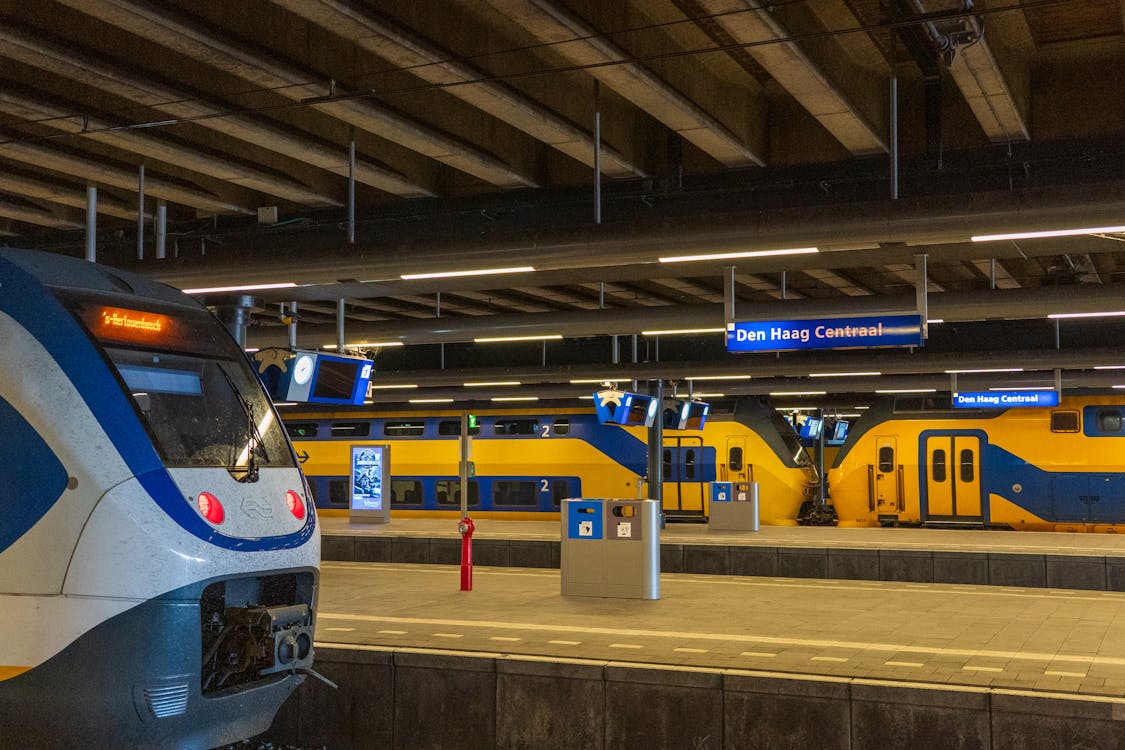
Buses and trains are important lifelines in most cities. Yet hold-ups, path ineffectiveness, and upkeep concerns often frustrate motorcyclists. That's beginning to transform with the help of AI.
Transportation companies are currently using anticipating analytics to manage fleets better. If a bus is running behind schedule, AI can suggest path modifications, alternative pick-up points, or perhaps reassign lorries in real-time. Upkeep is likewise much more aggressive; AI identifies very early indication prior to parts fall short, which maintains lorries when traveling and cyclists on time.
When public transportation is consistent and trustworthy, even more people use it. And when even more individuals use public transit, cities become greener, less congested, and much easier to browse.
Redefining Parking with Smart Systems
Discovering a car park area in a city can be the most irritating part of driving. It's taxing, difficult, and typically ineffective. But AI is currently altering the way cities take care of car park administration.
Video cameras and sensing units set up in parking area and garages track readily available areas and send out updates to centralized systems. Vehicle drivers can then be assisted to open up spots with navigating apps or in-car systems, minimizing the moment they invest circling the block. Consequently, this cuts exhausts and makes city roads less crowded.
Some AI systems are even efficient in vibrant rates, adjusting auto parking costs based on demand in real time. This dissuades overuse in crowded zones and motivates turn over, offering every person a fairer chance at finding a space.
In densely populated areas where space is limited, specialized services like boat storage in Philadelphia and committed Philadelphia car storage options are ending up being more valuable than ever. AI can aid manage these centers, guaranteeing optimum use and improving security with clever surveillance systems that find irregular activity.
The Rise of Autonomous Vehicles and Ridesharing Intelligence
While self-driving autos may not yet dominate the roadways, they're definitely influencing the direction of city transport. AI is the backbone of self-governing automobile technology, dealing with whatever from navigating to barrier discovery and response time.
However even before complete freedom holds, AI is currently changing ridesharing services. Algorithms assist set travelers a lot more successfully, reduce wait times, and recommend tactical areas for chauffeurs to wait between fares. In time, these insights will help reduce traffic congestion and improve car occupancy prices throughout cities.
There's additionally been a rise in AI-enhanced micro movement options like scooters and bike shares. These solutions are taken care of by AI systems that track usage patterns, anticipate high-demand areas, and also identify upkeep requirements automatically.
Preparation the Future: AI and Urban Design
City organizers now have a powerful brand-new ally in artificial intelligence. With access to substantial datasets-- every little thing from commuter practices to air top quality degrees-- AI tools can design the effect of infrastructure adjustments before they're also made. This indicates better choices about where to put bike lanes, how to enhance bus routes, or whether to construct new bridges and passages.
Urban developers can additionally use AI to design the effect of brand-new zoning laws or property growth on transportation systems. This leads to smarter advancement that sustains movement as opposed to overwhelming it.
In places with thick development and restricted property, smart options like vehicle storage in Philadelphia are verifying to be crucial components in long-lasting preparation. AI can improve room allotment, track use trends, and aid design storage designs that optimize capacity while lessening impact.
Safer Streets Through Real-Time Intelligence
AI is not nearly speed and effectiveness-- it's additionally concerning safety. From determining speeding lorries in real time to predicting accident-prone zones, AI is assisting make roads more secure for everyone.
Smart surveillance systems powered by artificial intelligence can identify dangerous behavior, such as unlawful turns, running traffic signals, or jaywalking. These systems do not simply function as deterrents; they create information that cities can make use of to educate future safety initiatives.
AI is also helping first responders reach emergencies faster. Real-time traffic evaluation page can guide rescues along the quickest course, also throughout rush hour. And when seconds count, those time savings can be life-altering.
A More Connected and Adaptable Transportation Future
The actual power of AI in metropolitan transportation depends on its ability to adjust. As cities advance, AI advances with them. Whether it's replying to an unexpected surge in traffic after a sporting activities occasion, forecasting flooding on significant roads, or taking care of a spike in seasonal traveling, AI is there, constantly finding out and readjusting.
By weaving AI into the textile of transport systems, cities are ending up being much more smart, a lot more responsive, and extra easy to use. These changes might not always show up to the everyday traveler, but the advantages-- shorter journeys, safer roads, and more trusted transit-- are really felt every day.
For those browsing urban life today and looking towards the future, it's clear that artificial intelligence is no longer simply assisting with transport-- it's redefining just how our cities move.
See to it to follow the blog for even more insights into exactly how modern technology is shaping metropolitan life, and examine back on a regular basis to remain ahead of the curve.